Hiring a Dog Walker

One of the most intensive responsibilities with owning a dog is how much you need to walk them. This varies from breed to breed (with a pug only needing to be walked a couple of times a week and shepherding dogs requiring long ones every day), but all of the breeds require you to dedicate time and energy towards maintaining their physical fitness and sense of well-being, which can be exhausting. For those who have a busy work schedule, this is doubly so.

In order to account for the demands of your pet dog, one of the options available to you is to hire a dog walker. This is a typically cheap service which is available in most urban areas, whereby you hire somebody to walk your dog for a small fee. This means that you’ll be providing your dog with the enriching exercise they need to be healthy and maintain a positive attitude. You usually find that dog walkers will walk a number of dogs together, meaning you get the added benefit of giving them a socialising opportunity as well,, which is also very important for their state of mind.

Starting Dog Training When They’re Adults

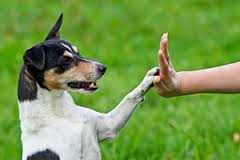
Everybody has heard the old adage, “an old dog can’t learn new tricks”, and there is certainly some accuracy to this saying. The best time to start training a pet dog is when they’re still puppies, or adolescents, but once they’ve reached adulthood, behaviour has started to become engrained in who they are, which means that over-riding their learned behaviour is a lot more difficult.

Even though all of this is true, there are plenty of techniques that you can use which will have more impact than you might expect. If they already are quite obedient dogs in most cases, you may actually find it easier to train an adult dog than a puppy, as they are going to have a better understanding of instructions. Of course, it is also unfair to paint all adult dogs with the same brush, as a dog which is 3 years old is going to have an easier time of learning how to stop a bad habit than a dog which is 10 years old.

post

The Causes of a Lack of Obedience in Pet Dogs

When you look at the route causes of a lack of obedience in a pet dog, it really comes down to two main areas. The first is the one we’ve just talked about last week; a breakdown in the relationship between you, the owner, and your pet dog. This can be because you don’t really have a good understanding of how to handle the relationship between you and your pet dog, or it could simply be that your current pet dog is just too much of a dominant force for you overcome. This can vary from individual to individual, with both the dogs and the people in the relationship.

The other one is simply that they aren’t leading active enough lives. For a dog to feel happy they need to have a sense of purpose or fulfilment, just like most humans. If your pet isn’t a working animal, you can accomplish this by keeping your pet active; walks, playing, and other physical activities. If your pet isn’t feeling fulfilled then the chances are that they are going to be acting out and developing bad habits. The amount of work that you’ll need to put into giving them this sense of fulfilment can also vary a lot depending upon the breed and the individual animal, with border collies famous for being particularly demanding.

post

Obedience Training Courses

Most behavioural issues with dogs have their origins in a lack of obedience to their owner. This is in a sense a good thing, as it will usually mean that trying to fix one thing – training obedience – will result in a lot of other issues being resolved. This can include things like aggression, possessive behaviour, destruction of property, potty training and a lot more.

One of the things which people don’t really consider when they start obedience training is how much of it is actually training the owner. You’ll find that dogs, even those with a more dominant nature, will act obediently if you, the owner, present yourself as the “pack leader”. A training course will teach your how to do this, as well as a lot of useful tips on how to correctly reward and punish good and bad behaviour respectively.

post

Tips for Owners of Highly Aggressive Dogs

Dealing with the issues which we discussed in our previous post can be tricky, with a lot of potential for dealing with it the wrong way. Your best option is really to hire a qualified professional dog trainer to give you some advice face to face, but learning about it online can help with the less serious cases.

The most important thing that you need to remember is to remain patient. Whenever you’re dealing with a pet dog, you just need to look at it in much the same way as when dealing with a young child; don’t lose your cool, reward them for good behaviour (with affection and treats) but set clear lines and boundaries and remember to say no when they try to cross those lines. For dogs, this means that when you see bad behaviour you don’t let it go unchallenged, but good behaviour is rewarded with a “good boy” or perhaps being treated to something tasty or a nice toy.