post

Getting Puppy Treats for Puppies

Something which a large number of dog owners tend to overlook is not giving dog treats to puppies. Generally speaking, puppies are going to be less able to process the food found inside the dog treats on account of their less developed digestive system. They also have different nutritional requirements than dogs and different sense of taste as well. A puppy would much prefer puppy treats on account of these facts.

Treats which have been prepared for puppy consumption have a number of differences to adult dog treats. Chews, as an example, will contain vitamins and minerals which are suited to their growth and development, and the chews themselves will be designed to a shape and texture which will reduce the risk of them damaging their mouths and help with the development of their gums and teeth.
 

post

How to Start Training Your Dog

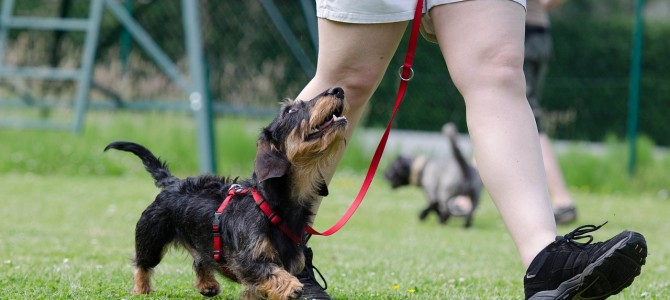
Starting to train your dog is a necessity for every dog owner. Whether this materialises simply as an attempt to potty train them, or a full on attempt to get them obedient and understanding of a wide range of commands, the ideal situation is to start their training as soon as they’re born.

Dog trainers will tell you that, despite their short attention span, puppies which have only just opened their eyes are still capable of learning a number of basic commands, such as “sit”, “Lay down” and “stay”. It is important that you enforce these commands early in their lives, as it will guarantee you a more obedient and ready to learn more pet once they’ve grown up.

Whenever you consider training your dog, you need to understand that dogs are individuals and have varying limitations. You won’t necessarily be able to train a dog to the same high standard as the most well trained dogs, particularly when talking about the difference in intelligence between certain breeds.


post

Animal Safe Furniture

One of the worst parts about owning a pet is how they can ruin furniture in your home. If you allow them to sit on your sofa (which quite a few pet owners do), their claws can quite easily damage the cover. Even if you don’t allow them to, a cat could still quite easily use the cloth covering to sharpen their claws, and damage the cloth as a result. To a certain extent, this issue is unavoidable, but there are certain products that you can buy which will help to prevent this from occurring to your furniture.

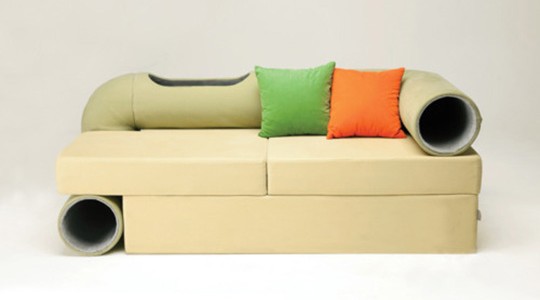
Firstly, you should consider buying furniture meant just for your pets. Dog and cat beds are good examples, but you can also buy some pretty cool furniture which both you and your pet can use, like chairs with an area underneath for your dog to sit.

Moderating your cats behaviour with feliway is another thing worth looking into. This can help to reduce their stress and stop territorial disputes, which are a couple of reasons why they sharpen their claws. A cat scratching pole is another thing you should look at.

post

When to be Worried About Lumps on your Dog

Most breeds of dogs will, towards their elderly years, begin to develop fatty lumps under their skin. For people who aren’t used to owning an elderly dog, this can be a shocking and worrying experience, but in most cases it is just par for the course, and nothing really to be worried about. The only way to deal with these lumps is to surgically remove them, which in itself can be a pretty worrying experience, so you should bear this in mind.

While generally speaking, these lumps which grow on pets are totally benign, and just a sign of your dog’s advancing age, there are clues on whether or not they are something worth worrying about. If they are soft lumps which don’t cause your pet any discomfort, it may be worth just waiting for your dog’s regular check-up to have them looked at. If they are harder and/or cause your dog discomfort, that is more worrying, and is something that you should have looked at as soon as possible. It is important to bear in mind though, that even if the latter is the situation you’re in with your pet dog, there is still a good chance that the lump is benign, and before a surgery takes place biopsy’s can be taken to determine whether or not there is a concern that the lump is malignant.

post

Caring for Your Dog Following Surgery

Surgery can be a stressful experience for the owner of a dog, just like it is for a pet. As the primary carer of the animal following its surgery, having a panicked, uninformed owner can only be a bad thing, so knowing what you need to do to look after them is very important.

Both before and after your pet’s surgery, you should take every opportunity available to you to speak to your vet and nursing staff, and gain as much knowledge as possible to help you in looking after them over the following days, and on how to avoid any mishaps. You can also look online in case you missed your opportunity to ask a question, or else call your vet centre for advise.

There are a few tips that you can do though:

  • Make sure that they receive regular exercise (unless your vet has advised you not to) so that they remain healthy for the duration of their recovery (which will help them heal faster), and that it is low intensity, so that they don’t overstrain themselves, or even rip their stitches out.
  • If they’ve been given a recovery cone to ensure that they can’t reach their wound with their mouths, leave it on. If it is creating difficulty eating and drinking you should speak to your vet, but if you’re monitoring them it could be removed temporarily, so that they can eat their meal.
  • After most surgeries, vets will provide your pet with painkillers. While these will help them keep their morale up, they can cause them to forget their injury, leading to them overstraining and ripping out their stitches, so bear that in mind. If you have trouble feeding them these pills, stick inside a piece of meat that they’ll enjoy, and then follow it up immediately with a second piece (this usually works).